Different voices, a shared theme.
6 selected excerptsThese are excerpts from edited written oral histories. Time expressions follow the accounts; memories are not automatically verified historical facts.
003Personal recollectionAfter-school hours in the past
A pitch without walls
There were no walls here; the grounds connected freely with the outside, and people were not cleared out. Everyone was considerate and did not interrupt PE lessons. Most came to play after four in the afternoon, except on holidays. With no floodlights, games usually ended at dusk without disturbing the neighbours.
Read the Chinese original English translation: draft
这里没有围墙,与外界相融相通,不会清场。人们都心怀自觉,上体育课的时候不会贸然干扰,大多是下午四点以后(假日除外)才来踢球。因为球场未设灯光,踢球的活动往往在天黑时分落幕,不会扰民。
English translation is a draft awaiting human review.
New Village Memories: Oral Histories of Guangzhou’s Huaqiao Xincun · Li Xiangliang · p. 57 (PDF page 69)
005Personal recollection“Today” at the time of the account
A changed school, lasting memories
Today, Huaqiao Primary School has been renovated and is more beautiful. The playground has a synthetic track and the walls have been renewed, but those happy childhood memories remain fixed in my heart.
Editorial context“Today” refers to the original account, not the school’s condition on the date this website is viewed.
Read the Chinese original English translation: draft
如今,华侨小学经过改建,变得更加美丽,操场铺上了塑胶跑道,围墙也修缮一新,但那些美好的童年回忆,永远定格在我的心中。
English translation is a draft awaiting human review.
New Village Memories: Oral Histories of Guangzhou’s Huaqiao Xincun · Li Minjie · p. 45 (PDF page 57)
009Personal recollectionEarly years after returning; exact year unspecified
A street where trains passed
At that time, farmland surrounded much of Huaqiao Xincun. The Youai Road area was open, trains sometimes passed by, and buildings such as the Garden Hotel and Baiyun Hotel had not yet been built. The main community road was paved with concrete; the other roads were simpler.
Read the Chinese original English translation: draft
彼时华侨新村周边多为农田,友爱路一带空旷,时有火车经过,花园酒店、白云宾馆等建筑尚未兴建。社区主干道为水泥路面,其余道路稍显简陋。
English translation is a draft awaiting human review.
New Village Memories: Oral Histories of Guangzhou’s Huaqiao Xincun · Lai Yunyun · p. 113 (PDF page 125)
013Personal recollectionChildhood and the rebuilding around 1997
The place where my grandmother lived
Huaqiao Xincun holds almost all my memories of my grandmother. I lived here from childhood until I went abroad with my parents. The present house was rebuilt in 1997; the back courtyard of the old house was where I used to live.
Read the Chinese original English translation: draft
华侨新村几乎承载了我所有关于奶奶的回忆。我自幼便居住于此,直至与父母出国。如今的房子是1997年推倒重建的,曾经的旧屋后院便是我过去居住的地方。
English translation is a draft awaiting human review.
New Village Memories: Oral Histories of Guangzhou’s Huaqiao Xincun · Ma Jun · p. 71 (PDF page 83)
015Personal recollectionAccount after the residence opened to visitors
From home to a place of memory
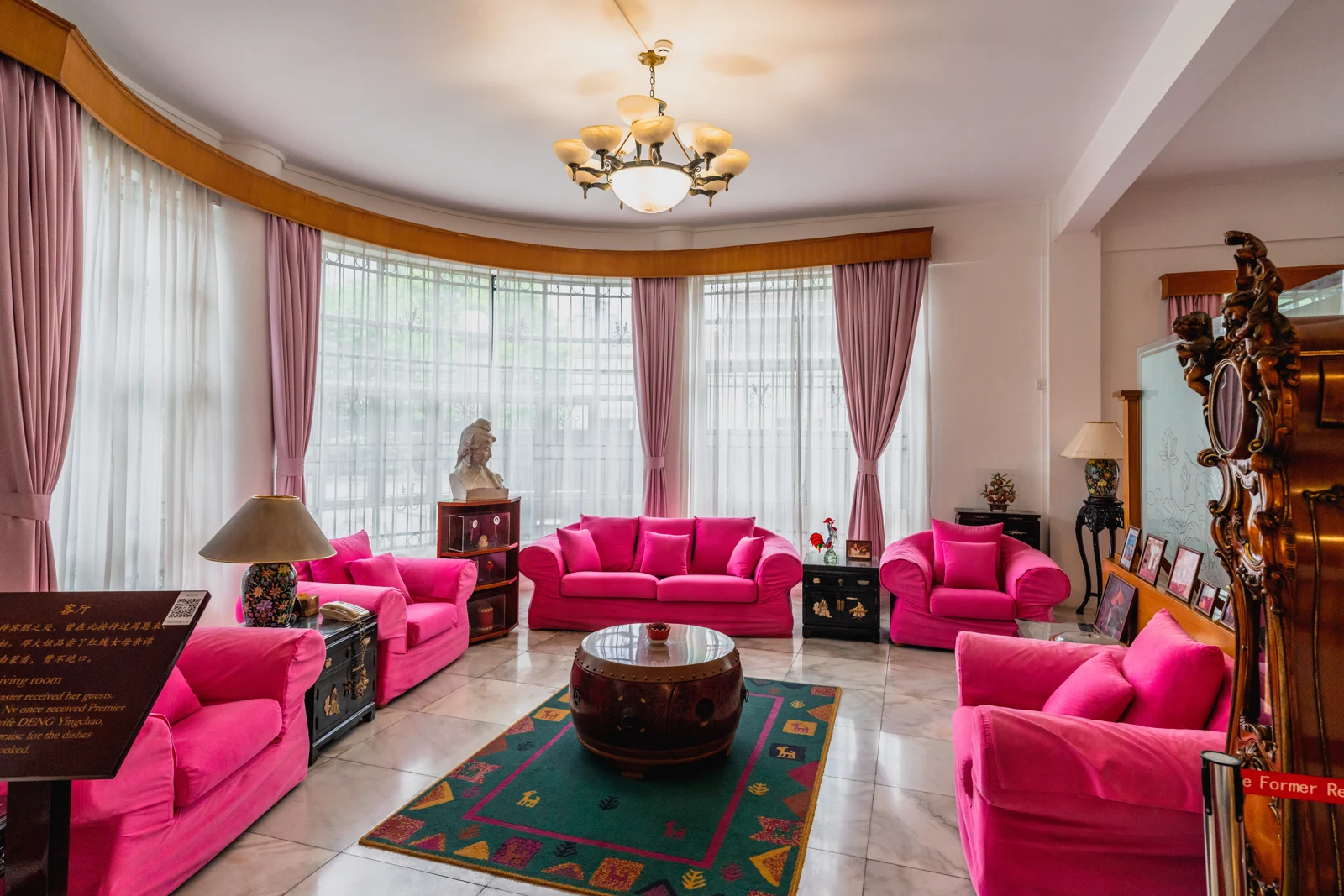
My grandmother’s former home mainly presents scenes from her everyday life. It differs from the Hung Sin-nui Arts Center in Tianhe, which focuses on her achievements in Cantonese opera. People know about her contribution to the art, but much less about her life.
Read the Chinese original English translation: draft
红线女旧居主要展示奶奶的生活场景,与位于天河的红线女艺术中心有所不同,后者侧重于介绍她在粤剧艺术上的成就。大家都了解奶奶在粤剧艺术上的贡献,却对她的生活知之甚少。
English translation is a draft awaiting human review.
New Village Memories: Oral Histories of Guangzhou’s Huaqiao Xincun · Ma Jun · p. 76 (PDF page 88)
018Personal recollectionContrast between the past and the time of the account
From bamboo fences to high walls
Today, the lively fences have been replaced by brick walls two metres high, making it harder for neighbours to chat across them. It is a striking contrast with the past: residents once leaned against bamboo fences to talk, whereas high walls now quietly reduce everyday interaction.
Editorial contextThis is the narrator’s understanding of spatial change, not an independently verified causal conclusion.
Read the Chinese original English translation: draft
如今这些富有生机的篱笆墙已被两米高的砖墙替代,邻里间再难隔墙闲谈。这与往昔景象形成鲜明对照——过去居民常倚着竹篱交流,如今高墙却无形中减少了人际互动。
English translation is a draft awaiting human review.
New Village Memories: Oral Histories of Guangzhou’s Huaqiao Xincun · Yu Jinsen · p. 83 (PDF page 95)